Automotive Air Conditioning Compressor | Premium OEM/ODM Solutions for Global Markets
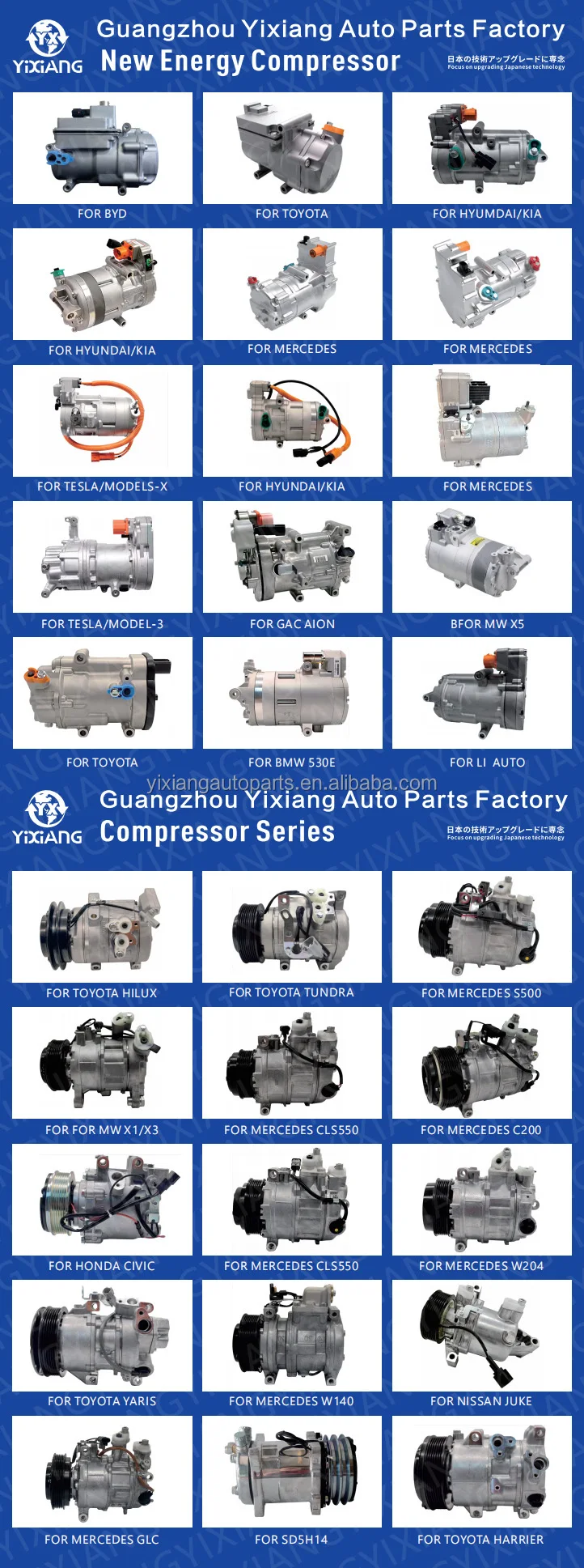
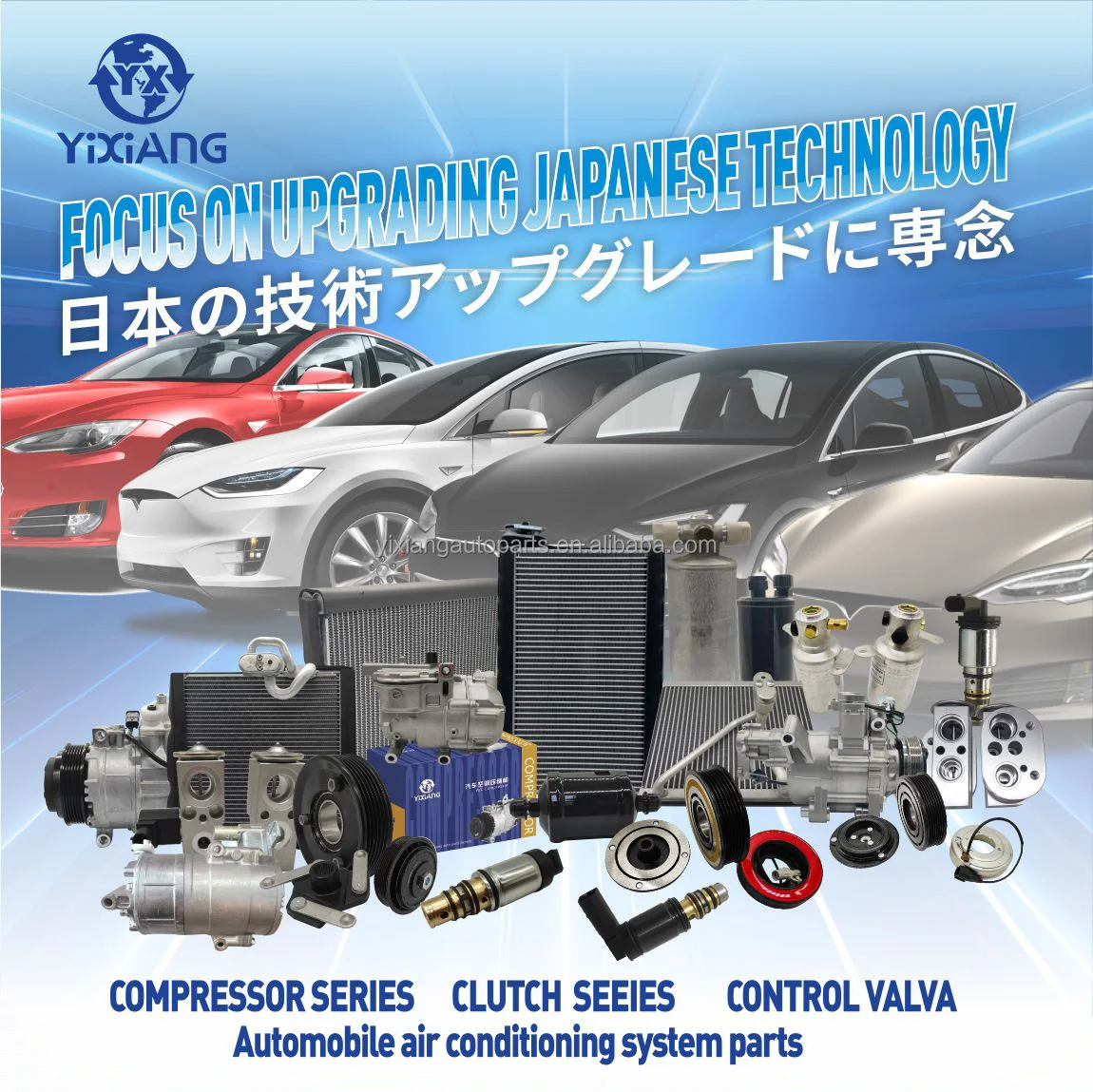
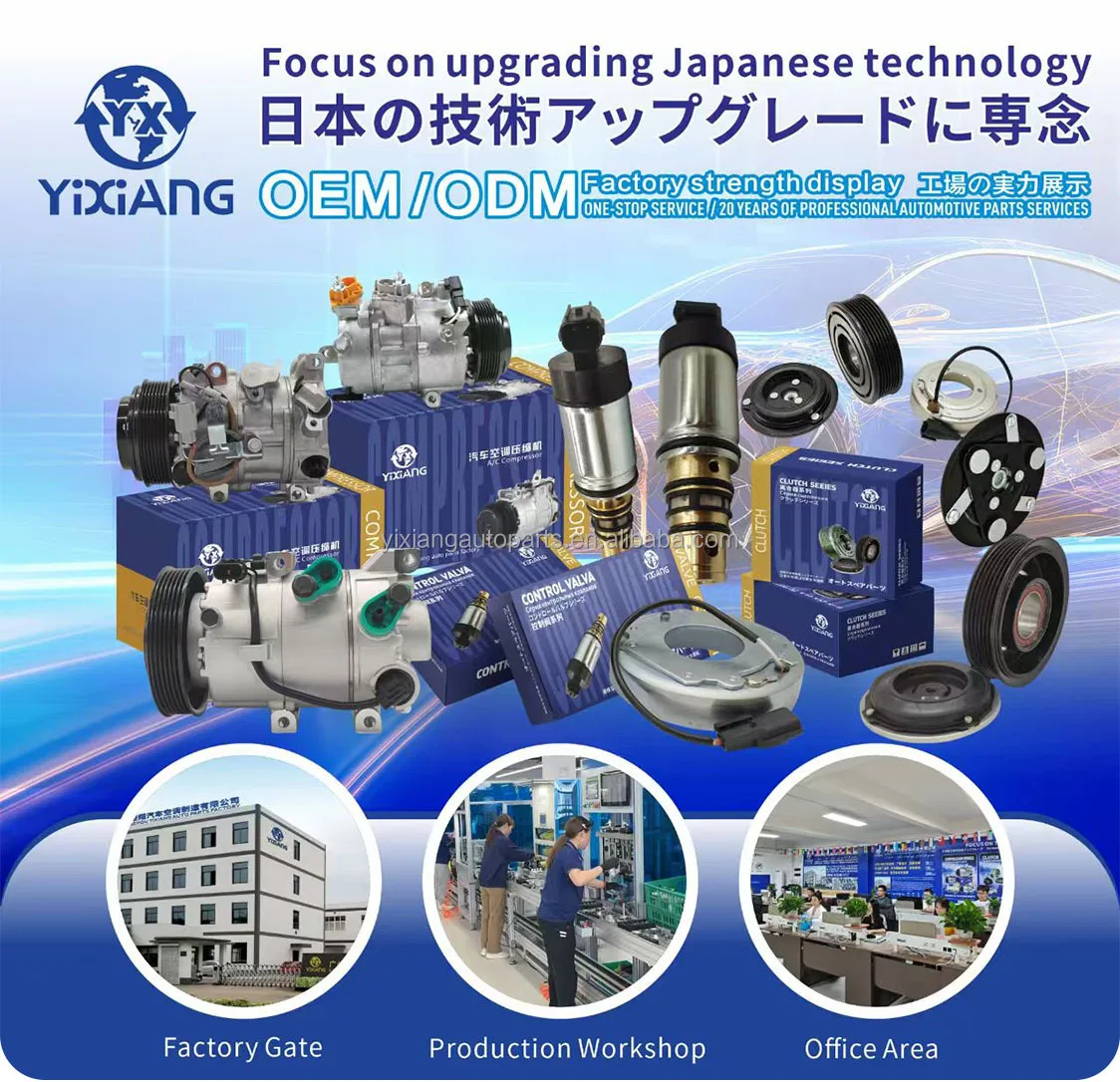
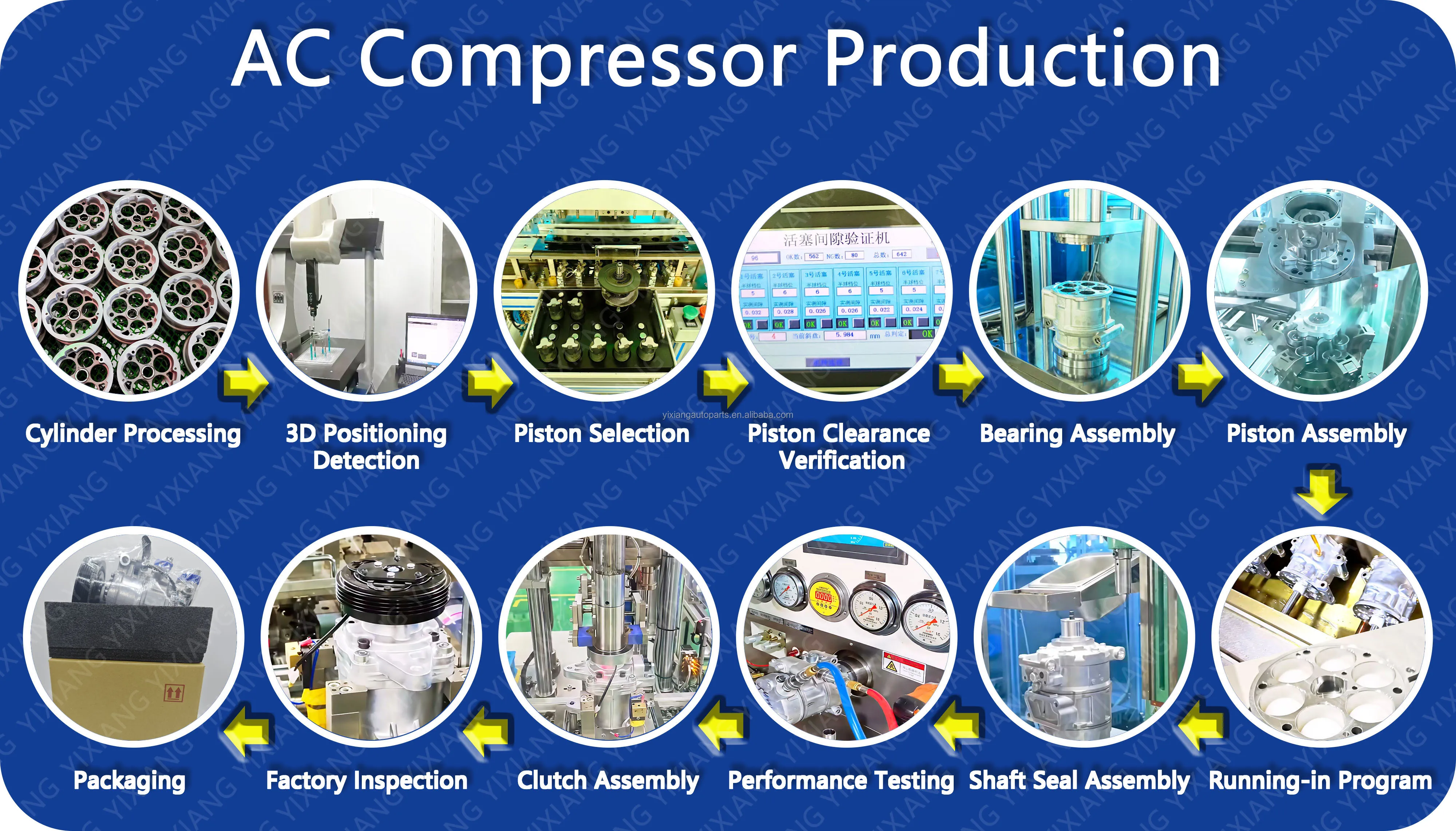
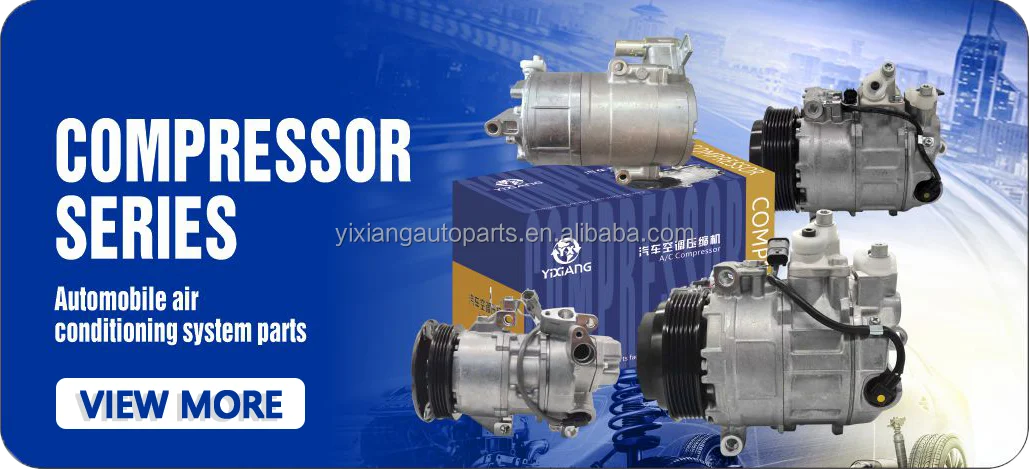
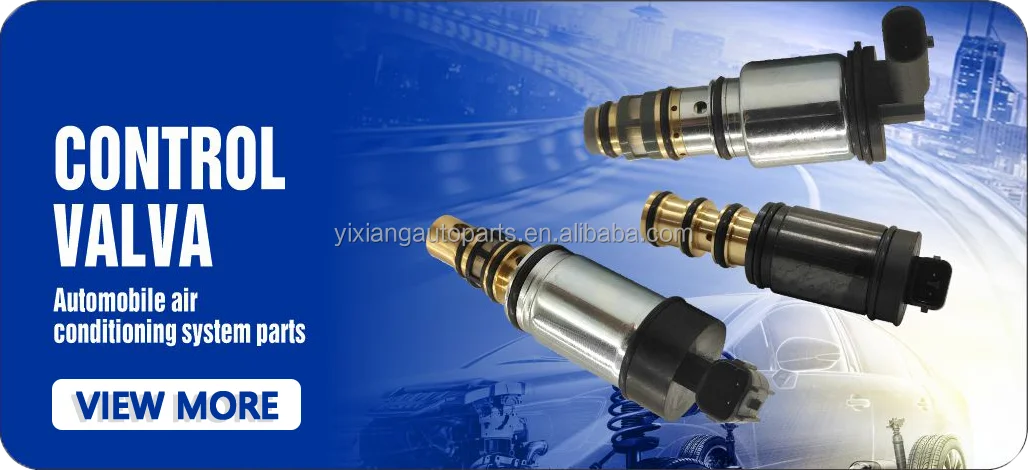
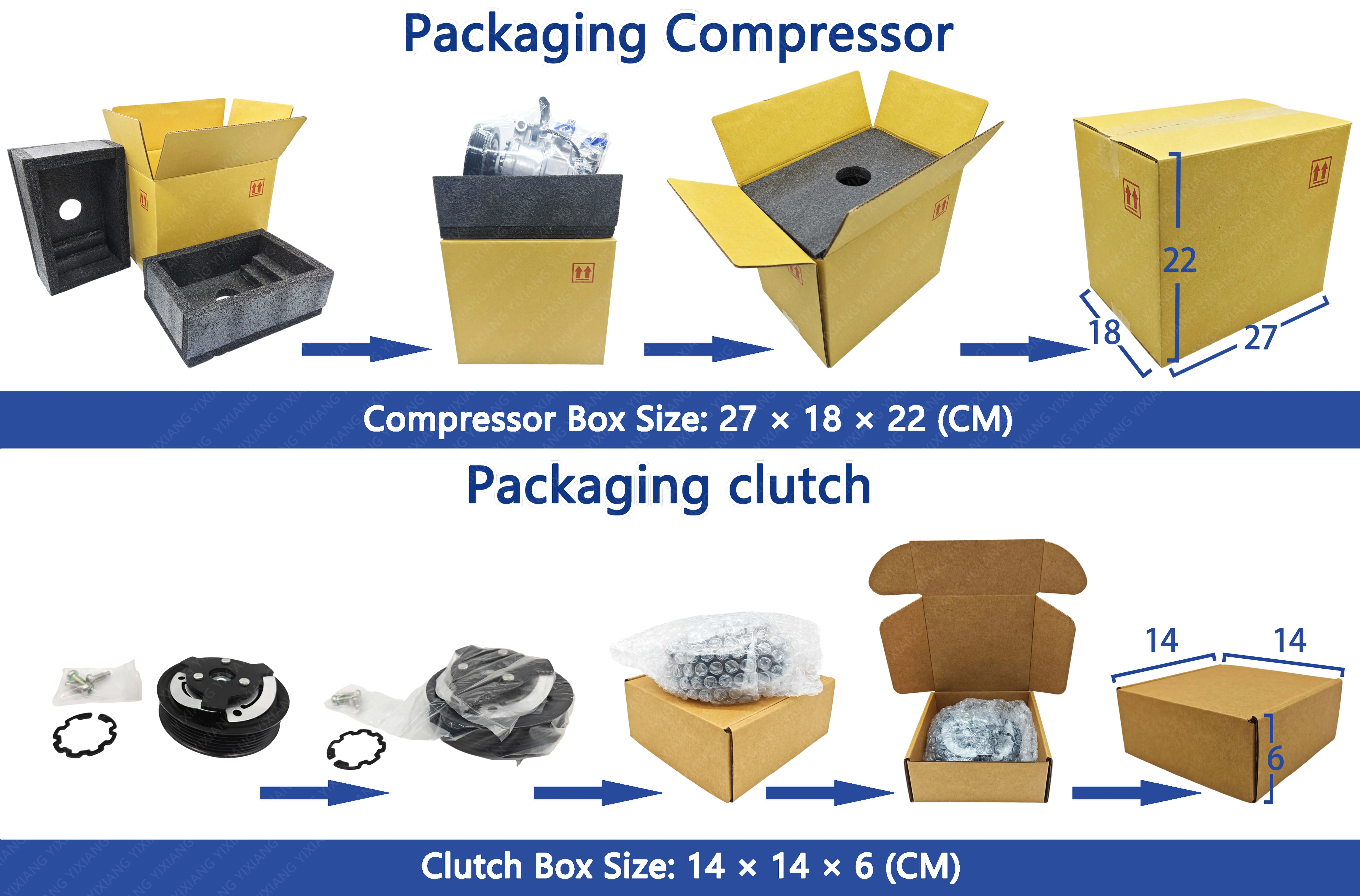
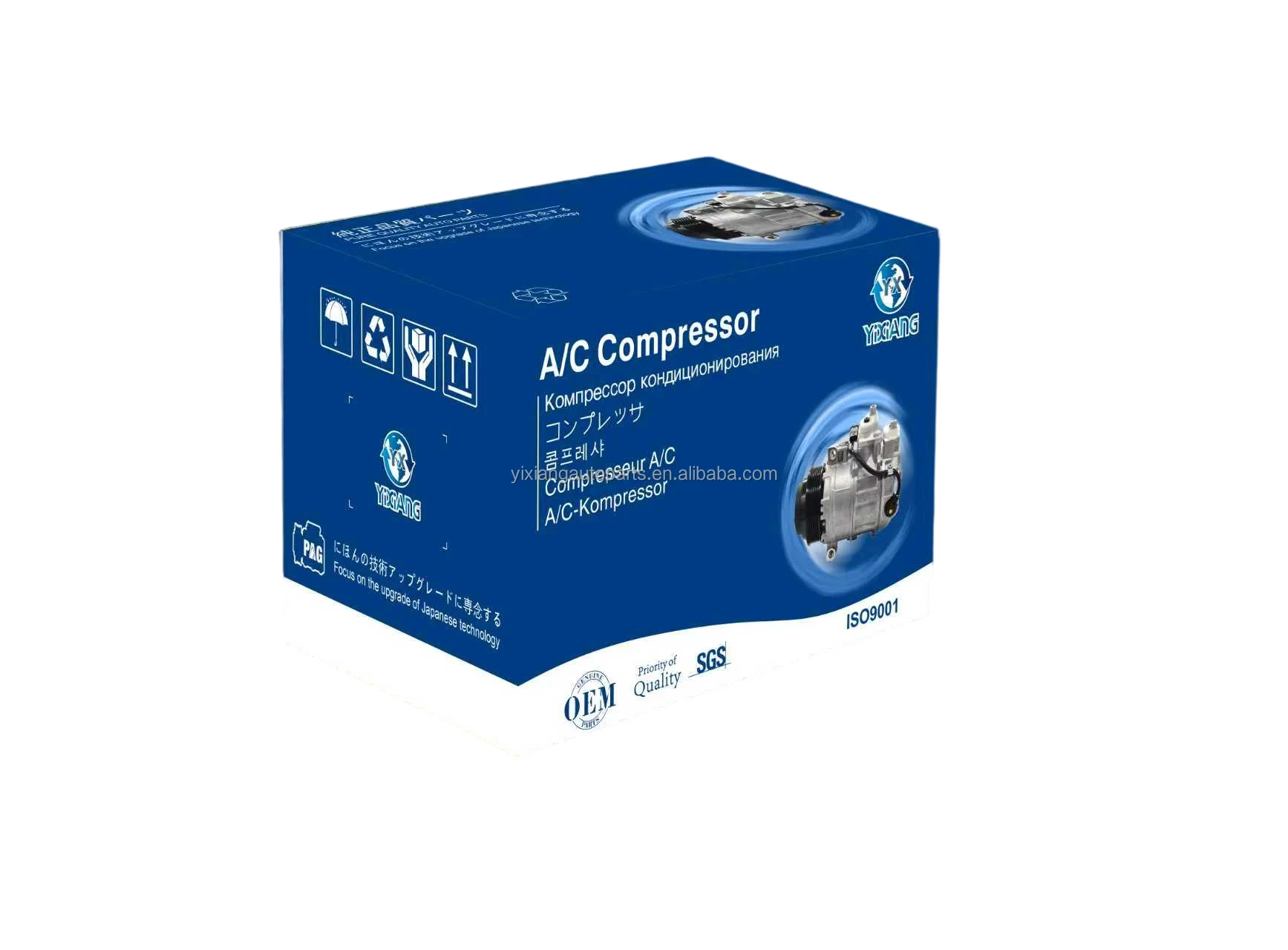
As a leading supplier of automotive cooling components, we specialize in high-performance, durable automotive air conditioning compressors tailored for passenger cars, SUVs, trucks, commercial vehicles, and new energy vehicles (EVs/hybrids). Below is a comprehensive breakdown to highlight product value from core structure to future-ready advantages. 1. Core Components of Our Automotive AC Compressor Every unit is built with precision-engineered parts to ensure long-term reliability and consistent cooling. Key components include: - Compressor Pump Assembly: The core power unit that compresses low-pressure refrigerant (R134a, R1234yf, R454b) into high-pressure gas, enabling fast cabin cooling. - Electromagnetic Clutch: Features anti-corrosion copper coils to control power connection between the compressor and engine; ensures smooth on/off operation for energy savings. - Drive Pulley: High-strength steel pulley with anti-rust coating, designed to transmit engine power via AC belts without slippage. - Refrigerant Inlet/Outlet Ports: Precision-machined aluminum ports with leak-proof O-rings, compatible with standard AC hoses for all vehicle types. - Oil Seal & Gasket Kit: Heat-resistant nitrile rubber seals and aluminum gaskets to prevent refrigerant/oil leakage and maintain system tightness. - Pressure Relief Valve: A safety component that releases excess pressure (over 300 PSI) to protect internal parts from damage in extreme conditions. Keywords: automotive AC compressor components, compressor pump assembly for automotive AC, electromagnetic clutch for AC compressor, refrigerant inlet ports for automotive AC, AC compressor oil seal kit, pressure relief valve for car AC. 2. Working Principle of Automotive AC Compressor Our compressor operates on a 4-step cycle to deliver efficient, stable cooling critical for driver comfort in hot/cold climates: 1. Intake Stage: When the vehicles AC is activated, the electromagnetic clutch engages, driving the pump to suck low-pressure, low-temperature refrigerant vapor from the evaporator. 2. Compression Stage: The pumps piston/scroll compresses the vapor, increasing its pressure (up to 280 PSI) and temperature (up to 160 F) to form high-pressure gas. 3. Discharge Stage: The high-pressure gas is pushed into the condenser, where it releases heat and condenses into a high-pressure liquid. 4. Cycle Completion: The liquid refrigerant flows through the expansion valve (throttling to low pressure) into the evaporator, absorbing cabin heat to produce cool air then returns to the compressor to restart the cycle. Keywords: automotive AC compressor working principle, car AC refrigerant cycle, low-to-high pressure compression for AC, evaporator-to-condenser AC flow, piston-type AC compressor operation, scroll AC compressor cycle for vehicles. 3. Maintenance Notes for Automotive AC Compressor Proper maintenance extends lifespan and avoids costly repairs. Follow these guidelines:- Refrigerant Compatibility: Use only the refrigerant type recommended by the vehicle manufacturer (e.g., R1234yf for EVs, R134a for older cars); never mix refrigerants (causes corrosion and compressor failure). - AC Compressor Oil Filling: Add the correct type/amount of AC oil (PAG 46, PAG 100, POE oil) during service; insufficient oil leads to metal-to-metal wear. - Leak Detection: Conduct a pressure test (30-minute hold) or use a UV leak detector before operation leaks reduce cooling efficiency and damage internal parts. - Electromagnetic Clutch Inspection: Check for abnormal noises (squealing) or slippage; replace the clutch if it fails to engage (avoids engine power waste). - Debris Removal: Keep the pulley and clutch free of dust, dirt, and oil debris causes belt slippage and overheating. - Seasonal Check: Test the compressor before summer/winter; clean the condenser coil to improve heat dissipation (critical for regions like the Middle East). Keywords: automotive AC compressor maintenance, refrigerant compatibility for car AC, AC compressor oil filling guide, UV leak detection for automotive AC, electromagnetic clutch inspection for AC compressor, seasonal maintenance for car AC. 4. Professional Installation Suggestions for Automotive AC Compressor Incorrect installation is the top cause of early failure. Follow these steps for safe, effective setup: 1. Vehicle Model Matching: Confirm compatibility with the vehicles make/model/year (e.g., for Toyota Camry 2018+, for Ford F-150 2020+, for BMW 3 Series 2022+) or OEM part number (e.g., for OEM 88320-0C040, for OEM 12317585). 2. System Flushing: Flush the AC system (evaporator, condenser, hoses) with AC flush solvent removes old oil, debris, and metal shavings that damage new compressors. 3. Dryer/Accumulator Replacement: Replace the AC dryer (or accumulator) together with the compressor.
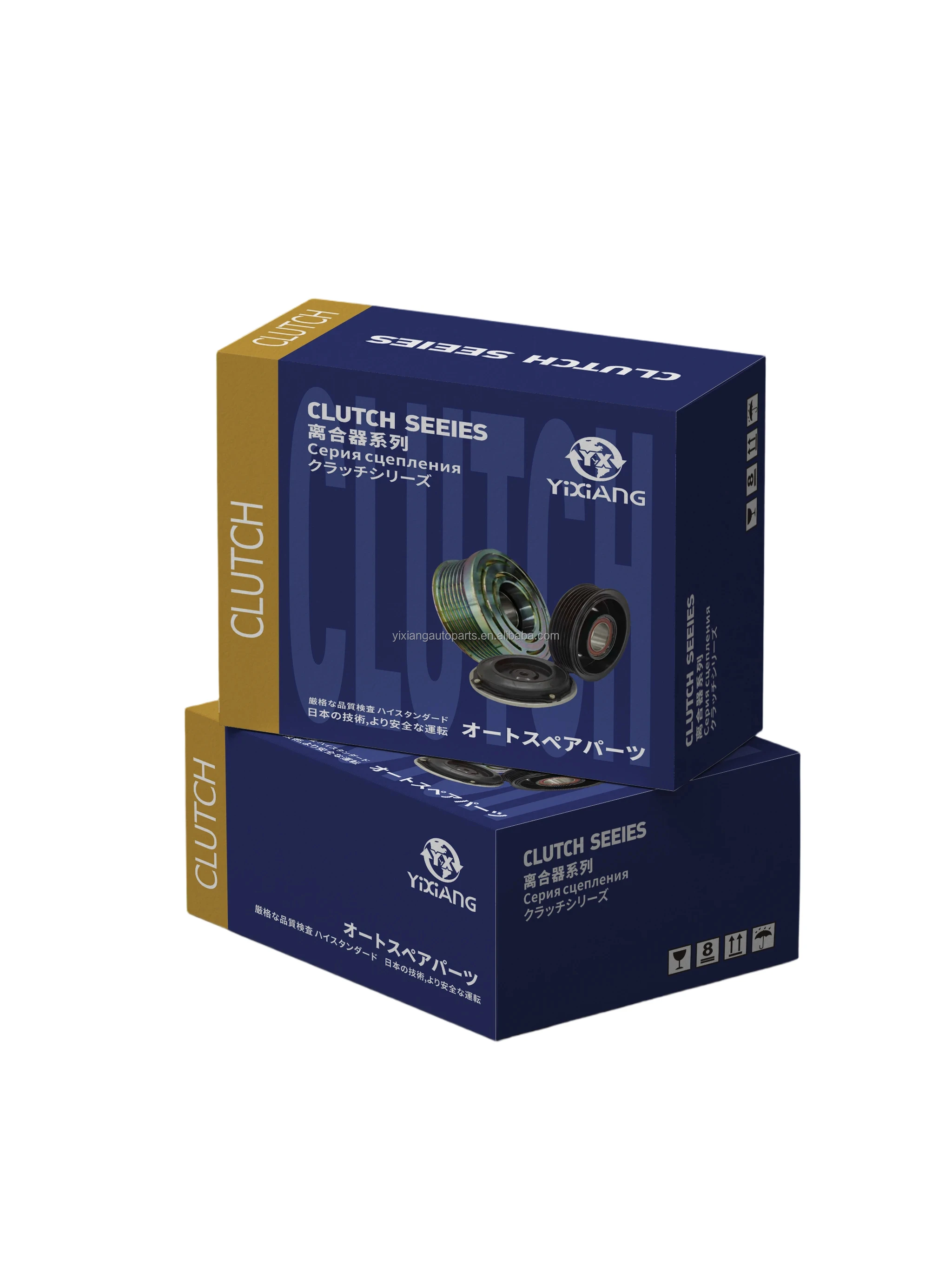
Premium Automotive Air Conditioning Clutch: Reliable Power Link for AC Systems
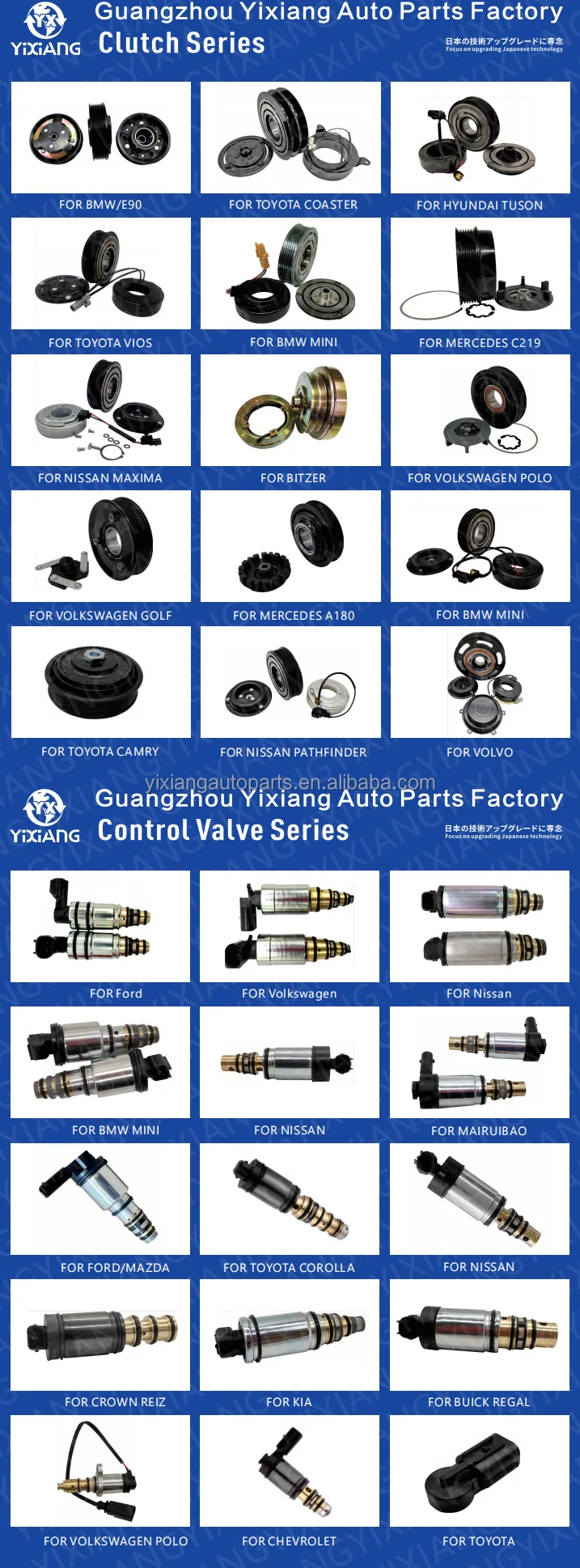
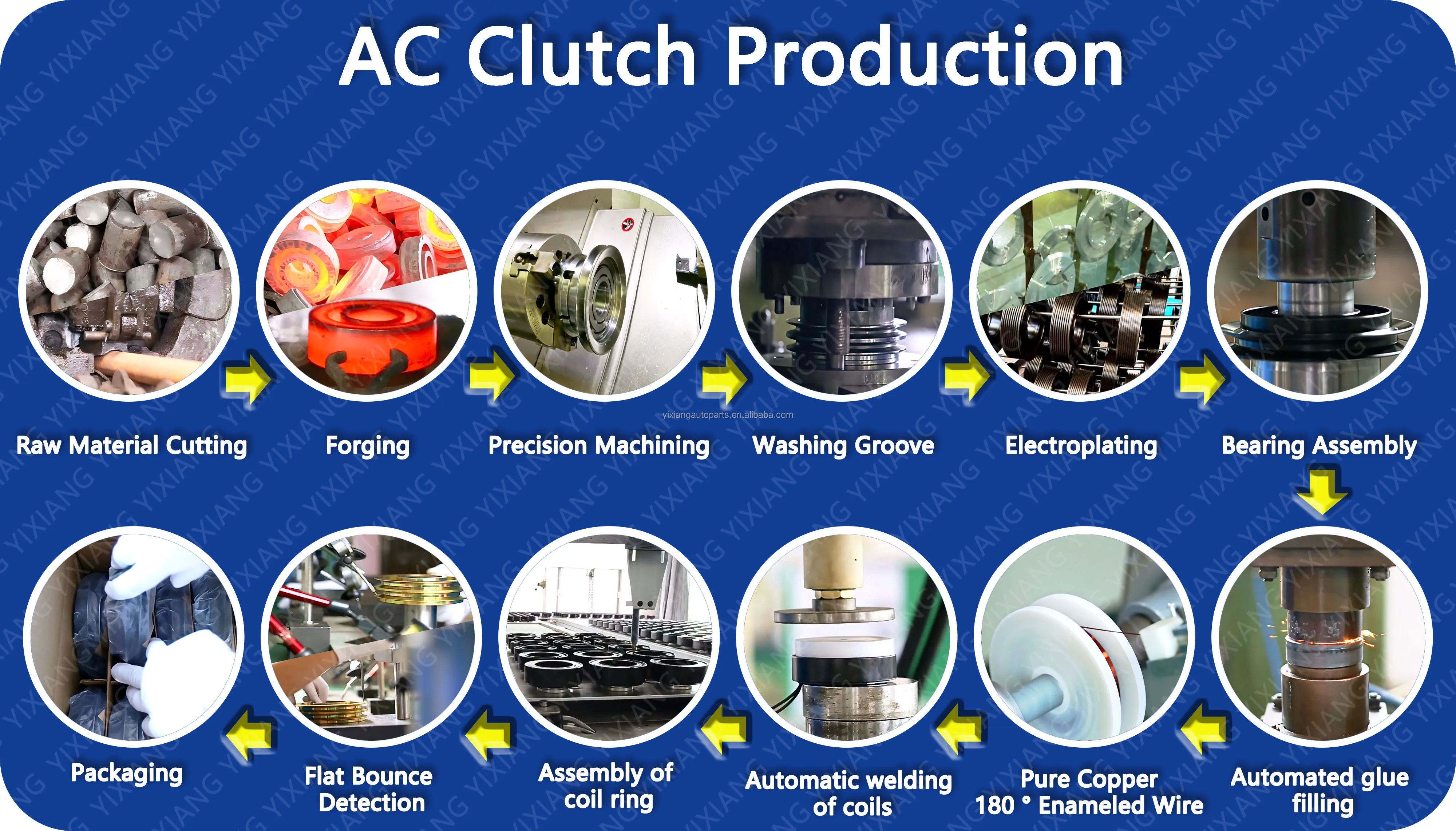
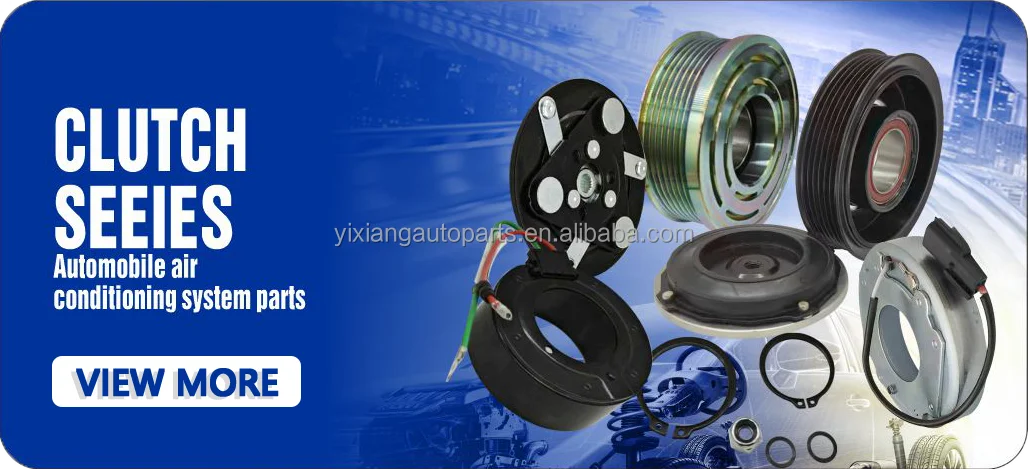
Our automotive air conditioning clutch is the key connector between vehicle engines and AC compressors, directly ensuring cooling efficiency and energy savings. Below is a professional breakdown for your selection and use. 1. Core Composition of Automotive AC Clutch - Electromagnetic Coil: Made of high-purity copper wire (withstands 120-150 ), generates stable magnetic force for engagement; anti-corrosion and anti-oxidation. - Drive Pulley: Built-in sealed bearing to reduce friction; surface with anti-rust coating, compatible with engine belts. - Friction Pressure Plate: Adopts wear-resistant resin pads, locks with pulley to transmit torque; quick disengagement when de-energized. - Reset Spring: High-elastic stainless steel, ensures pressure plate resets accurately, avoiding stuck issues. Keywords: automotive AC clutch components, high-temp clutch coil, sealed bearing pulley, anti-rust clutch parts, resin friction plate, stainless steel reset spring 2. Working Principle of Automotive AC Clutch 1. Signal Trigger: ECU sends 12V/24V signal to the coil when AC is turned on or in-car temperature exceeds the set value. 2. Magnetic Engagement: Coil energizes to form a magnetic field, attracting the pressure plate to the rotating pulley. 3. Power Transmission: Engaged pulley and pressure plate transmit engine torque to the compressor, driving refrigerant compression. 4. Intelligent Disengagement: ECU cuts current when temp is reached; spring pulls pressure plate back, stopping the compressor to save fuel. Keywords: AC clutch working principle, ECU-controlled clutch, refrigerant compression trigger, fuel-saving clutch, fast-engagement clutch, magnetic torque transmission 3. Maintenance Precautions - Inspect pulley for looseness/abnormal noise every 5,000km; clean oil stains with degreaser to prevent slipping. - Keep the coil dry avoid water splashing during engine washing (prevents short circuits or rust). - Lubricate pulley bearings with AC-specific high-temp grease if squeaking (do not use ordinary grease). - Replace pressure plates immediately if AC cools poorly (friction pad thickness <1.5mm). Keywords: AC clutch maintenance, clutch coil waterproof, high-temp AC grease, worn pressure plate replacement, clutch pulley inspection, anti-slipping clutch care 4. Installation Suggestions 1. Model Matching: Confirm compatibility with your vehicle, e.g., for Toyota Camry 2020+, for Honda Civic 2019+, for Ford F-150 2021+, for BMW 3 Series G20. 2. Surface Cleaning: Wipe the compressor shaft with alcohol to remove oil/rust residues cause poor engagement. 3. Alignment Calibration: Use a dial indicator to ensure pulley-pressure plate offset 0.1mm (avoids uneven wear). 4. Torque Control: Tighten bolts with a torque wrench (8-12 N m); test AC for smooth on/off after installation. Keywords: model-compatible AC clutch, clutch alignment calibration, torque wrench installation, post-install AC testing, vehicle-specific clutch, compressor shaft cleaning Why Choose Us? - Wide Compatibility: Covers for Toyota, for Honda, for Ford, for BMW, for Mercedes-Benz, for Volkswagen one supplier for multiple needs. - Durability: 30% longer service life (high-purity copper coil + wear-resistant pads). - Support: 12-month warranty + free technical consultation. Perfect for auto repair shops, distributors, and fleets contact us for bulk quotes!
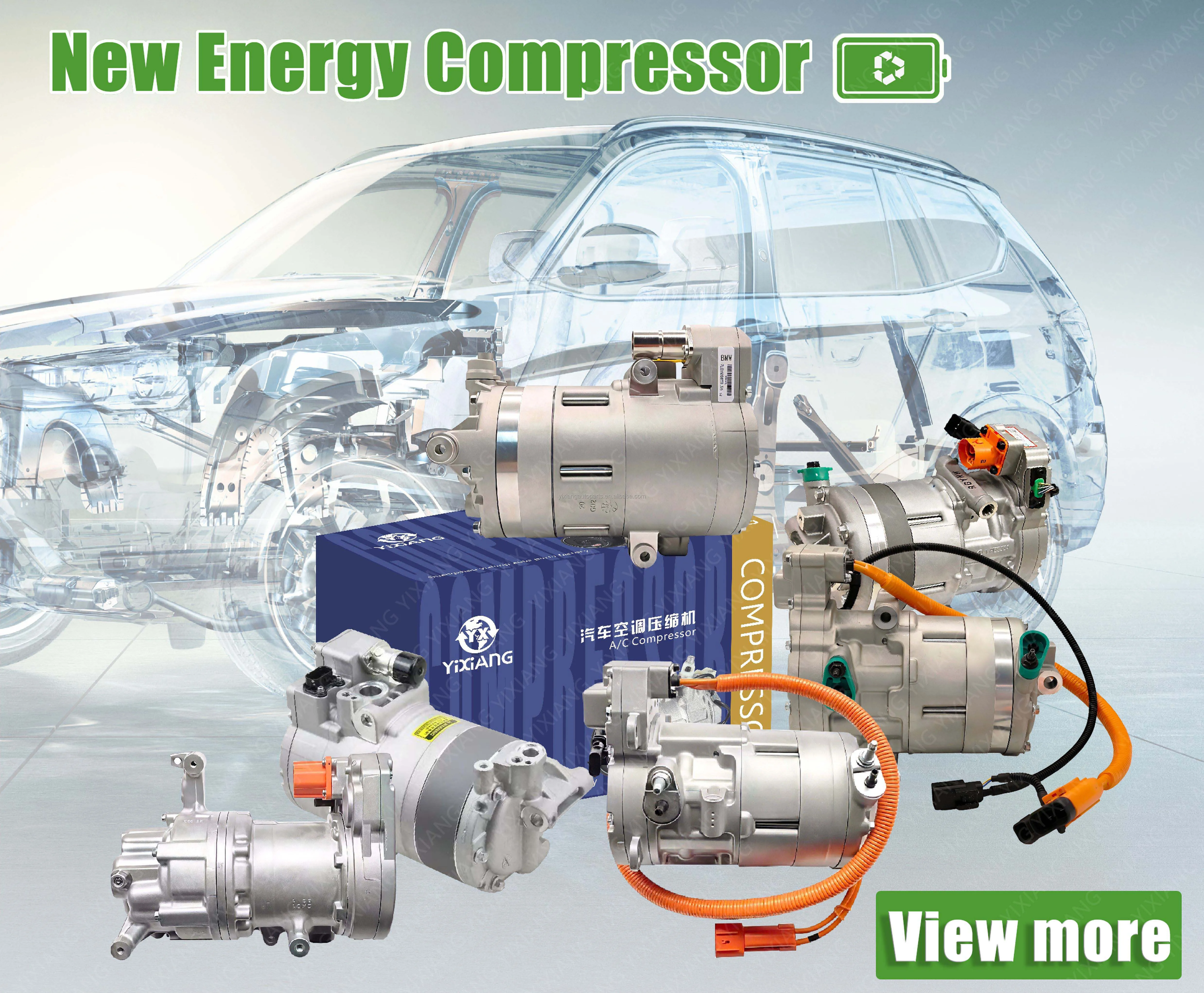
Professional New Energy Vehicle (NEV) AC System Solutions
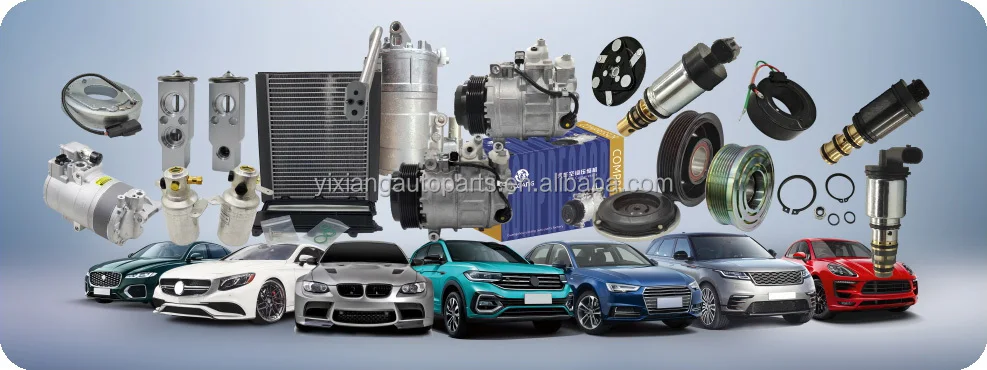
As a dedicated NEV AC system service provider, we focus on high-efficiency, low-energy cooling/heating solutions aligning with global green mobility trends. Below is a detailed breakdown to showcase our technical strength and long-term NEV development vision. 1. Core Composition of NEV AC System - Electric Compressor: No engine drive; energy-saving (15-30% lower power consumption than traditional AC), compatible with EV/PHEV high-voltage systems (400V/800V). - PTC Heater/EV Heat Pump: PTC for fast cold-start heating; heat pump recycles ambient heat (reduces battery consumption by 40% in winter). - Electronic Expansion Valve (EEV): Precisely controls refrigerant flow, adapting to NEVs dynamic power demands. - AC Controller: Integrates with vehicle ECU, optimizing energy distribution between AC and battery. Keywords: NEV AC system components, 400V/800V electric compressor, EV heat pump, PTC heater for NEV, EEV for new energy cars, NEV AC controller 2. Working Principle of NEV AC System 1. Cooling Mode: Electric compressor is powered by NEV battery; compresses refrigerant into high-pressure gas condenser dissipates heat EEV throttles to low-pressure liquid evaporator cools air blows into the cabin. 2. Heating Mode: Heat pump absorbs ambient heat (even at -10 ) to heat refrigerant; PTC assists for ultra-cold weather both avoid wasting battery power (unlike traditional engine heating). 3. Energy Optimization: AC controller adjusts compressor speed/EEV opening based on battery level (e.g., reduces AC power when battery <20%) to balance comfort and range. Keywords: NEV AC working principle, EV AC cooling system, NEV heat pump heating, battery-friendly AC control, low-power NEV cooling 3. Maintenance Precautions for NEV AC System - Electric Compressor Care: Check high-voltage wiring harnesses quarterly (avoid corrosion/loosening); use NEV-specific refrigerant (R1234yf) to prevent compressor damage. - Heat Pump/PTC Inspection: Clean heat pump air filters every 6 months; test PTC heating efficiency (replace if heating speed drops by >30%). - Battery-AC Coordination: Avoid long-term AC use when battery <15% (prevents over-discharging); use diagnostic tools to check AC-controller-battery communication. Keywords: NEV AC maintenance, electric compressor care, R1234yf for NEV, heat pump filter cleaning, NEV AC battery protection 4. Installation Suggestions for NEV AC System 1. Model Compatibility: Customize for specific NEVs, e.g., for Tesla Model 3/Y, for BYD Han EV, for Volkswagen ID.3/4, for Nissan Leaf. 2. High-Voltage Safety: Use insulated tools; confirm AC system voltage matches NEVs (400V/800V) to avoid short circuits. 3. System Calibration: Post-installation, sync AC controller with vehicle ECU via professional software (ensures energy optimization). Keywords: NEV-specific AC installation, high-voltage safety for EV AC, for Tesla Model 3 AC system, for BYD Han EV AC setup, for NEV AC-ECU calibration Our NEV Vision & Advantages - Future-Focused R&D: Investing in 800V high-efficiency AC systems and CO refrigerant tech (greener, zero ODP). - One-Stop Service: Design, supply, installation, and after-sales support NEV manufacturers and repair networks globally. Join us to embrace green mobility contact us for customized NEV AC solutions!